

How to Verify Locksmith License: A Step-by-Step Guide
Updated: Sep 16
Table of Contents
Why Verify a Locksmith's License Before Hiring
How to Verify Locksmith License Through State Regulatory Boards
Finding Your State's Licensing Authority
Searching by Licensee Name and License Number
Checking Active Status and Disciplinary Records
Locksmith License Requirements by State
Questions to Ask a Locksmith Before Hiring
How to Spot a Locksmith Scam
What to Do If You Were Scammed by an Unlicensed Locksmith
Conclusion
Frequently Asked Questions
Last Updated: September 2, 2026
Why Verify a Locksmith's License Before Hiring
Hiring an unlicensed locksmith puts your property at serious risk. Beyond the security vulnerabilities, you're exposing yourself to liability, potential fraud, and work that won't hold up legally. An unlicensed operator may lack proper training, insurance, or accountability if something goes wrong.
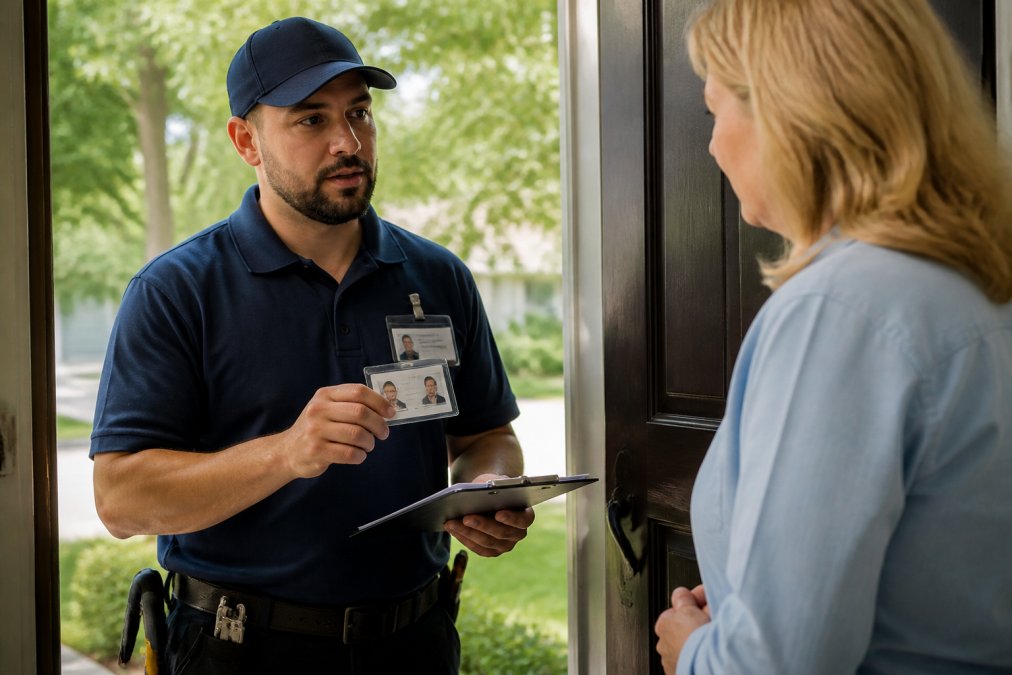
Professional license verification is your first line of defense. When you confirm that a locksmith holds a valid license issued by your state's regulatory board, you're verifying they've met minimum competency standards, passed background checks, and are subject to disciplinary action if they violate professional conduct rules. This is not optional due diligence, it's the difference between hiring a qualified professional and gambling with your security.
At Bay Safe and Lock, we understand why this matters. We're licensed and fully insured, with Federal level 2 background checks completed. Our credentials are verifiable, and we stand behind every job. But the same standard should apply to any locksmith you hire. This guide walks you through exactly how to verify a locksmith's credentials before you let them into your home or business.
How to Verify Locksmith License Through State Regulatory Boards
The process for verifying a locksmith's license varies significantly by state, but the fundamental steps remain consistent. You'll need to locate your state's licensing authority, understand what information you need to search, and know how to interpret the results.
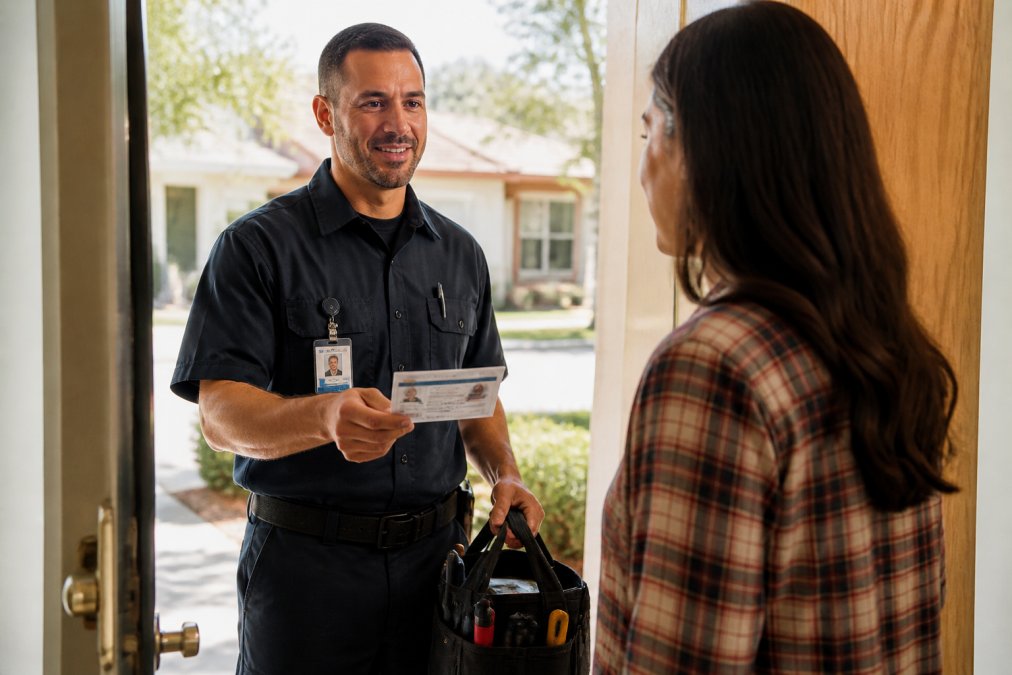
Finding Your State's Licensing Authority
Not all states regulate locksmiths the same way. Some states issue licenses through a dedicated locksmith board. Others fold locksmith licensing into a broader contractor or security services division. A few states don't require statewide licensing at all, though local municipalities may impose their own requirements.
To find your state's authority, start with your state's Secretary of State office website or the state's professional licensing division. Search for "locksmith license" or "security services licensing." Most state websites maintain a public search portal where you can look up active licenses. If your state doesn't have a centralized online database, contact your state's licensing board directly for guidance on how to verify credentials.
Once you've identified the correct agency, bookmark their licensee database. You'll use it to search for the locksmith's credentials before hiring them.
Searching by Licensee Name and License Number
When a locksmith provides you with their name and license number, use the state database to confirm both details match an active record. Enter the locksmith's full name exactly as it appears on their identification. If you only have a business name, search by that instead, most databases allow both individual and business searches.
The license number is your most precise search criterion. If the locksmith provides this upfront, use it. A valid license number should return a single matching record with the licensee's name, business address, and license issue and renewal dates. If the search returns no results, that's a red flag. Do not proceed.
Pay close attention to the license status. An active status means the license is current and in good standing. A suspended, expired, or revoked status means the locksmith is not legally authorized to perform locksmith services in your state. Some databases also show whether the license is restricted to certain types of work, for example, residential only, or excluding safe opening.
Checking Active Status and Disciplinary Records
Beyond confirming that a license is active, look for any disciplinary history. Most state databases include a section for disciplinary action or enforcement records. These entries document complaints, violations, or sanctions the licensing board has issued against the licensee.
A clean record with no disciplinary entries is what you want to see. If the database shows past violations, review the details. Minor infractions resolved years ago may be less concerning than recent complaints. However, patterns of complaints, multiple customers reporting similar issues, or repeated violations, suggest you should look elsewhere.
Some states also publish complaint information separately. If the main license database doesn't show disciplinary details, ask the licensing board directly whether they maintain a public complaint log. This transparency is part of consumer protection and helps you make an informed decision.
Locksmith License Requirements by State
Licensing requirements for locksmiths differ substantially across the United States. Some states have rigorous, multi-step certification processes. Others have minimal requirements. Understanding your state's standards helps you evaluate whether a locksmith's credentials are genuinely meaningful.
Other states require a background check as a condition of licensure. Federal level 2 background checks, which screen for criminal history and verify identity, are standard in many jurisdictions. Some states go further and require fingerprinting or checks against national databases of disciplinary actions in other states.
A few states, including some smaller or less-regulated jurisdictions, do not issue statewide locksmith licenses at all. In these areas, locksmiths may operate under general contractor licenses or security services permits. The absence of a dedicated locksmith license does not mean the locksmith is unqualified, but it does mean you have fewer official records to verify. In these cases, ask the locksmith for references, proof of insurance, and any certifications from professional organizations.
When you're evaluating a locksmith, ask directly about their license type and what requirements they had to meet to obtain it. A locksmith who can explain their state's licensing standards and their own qualifications is demonstrating professional knowledge.
Questions to Ask a Locksmith Before Hiring
Before you hand over a key or your security, ask these questions. A legitimate, licensed locksmith will answer them clearly and provide documentation.
Ask for their license number and the name of the state agency that issued it. A professional locksmith will have this information readily available and may even volunteer it upfront. Ask whether you can verify the license online, and if so, provide the specific web address or phone number for the state's licensing board. This shows confidence in their credentials.
Request proof of insurance. A licensed, professional locksmith carries liability insurance to protect you if something goes wrong during a job. Ask to see the current policy or a certificate of insurance. The policy should list locksmith services as a covered activity.
Ask about their experience. How long have they been in business? Have they worked on properties similar to yours? Request references from previous customers. A established locksmith should have multiple references willing to vouch for their work quality and professionalism.
Inquire about pricing and what's included. Ask for a written estimate before work begins. A transparent locksmith will explain their rate structure and any additional charges. Vague pricing or pressure to pay before completing the job is a warning sign.
Ask what happens if something goes wrong. Will they stand behind their work? Do they offer any warranty or guarantee? A professional locksmith takes responsibility for their installations and repairs.
Finally, ask whether they're bonded. A bonded locksmith has posted a financial bond with the state, which provides additional protection to customers if the locksmith fails to complete work or causes damage.
How to Spot a Locksmith Scam
Unlicensed or fraudulent locksmiths often operate with telltale red flags. Learning to recognize these signs protects you from overpaying, receiving poor-quality work, or worse, inviting someone into your home who has not undergone proper background check screening.
One of the most obvious red flags is a locksmith who cannot or will not provide a license number. If asked directly, they deflect, claim their license is "in the mail," or say they operate under a different business name, that's deception. Legitimate locksmiths have current licenses and are proud to share them.
Unlicensed locksmiths often advertise with vague business names designed to look generic or trustworthy, names that don't appear in any official database. They may use multiple phone numbers or names to create the illusion of a larger operation. They frequently advertise with extremely low prices to attract customers, then charge dramatically higher rates once they arrive and assess the job.
Watch for pressure tactics. A scammer will push you to pay upfront, demand cash only, or claim they need payment before starting work. Legitimate locksmiths typically charge after the job is complete. They'll provide written estimates and explain costs before proceeding.
Poor communication is another indicator. If a locksmith is evasive about their process, won't explain what they're doing, or discourages you from watching them work, that's suspicious. A professional locksmith is transparent and can explain their methods.
Finally, be cautious of locksmiths who suggest unnecessary work. If someone claims your locks are "compromised" and you need an entire system replacement when you only needed a rekeying, they're likely inflating costs. Get a second opinion from a licensed locksmith before authorizing expensive upgrades.
What to Do If You Were Scammed by an Unlicensed Locksmith
If you've already hired an unlicensed locksmith and believe you were overcharged, received substandard work, or experienced fraud, you have options.
First, document everything. Gather receipts, photos of the work, written estimates, and any communications with the locksmith. Note the date, time, and specific services performed. If the locksmith damaged your property or failed to complete work properly, photograph the damage and get written descriptions.
File a complaint with your state's licensing board. Even if the locksmith is unlicensed, the board may investigate and take action against them. Provide your documentation and a clear account of what happened. The board's enforcement division uses complaints to identify bad actors and protect future customers.
If you paid by credit card, contact your card issuer and dispute the charge. Explain that you received services from an unlicensed provider or that the work was not as promised. Many credit card companies will reverse fraudulent or disputed charges.
Consider filing a complaint with the Federal Trade Commission (FTC). The FTC tracks consumer complaints and uses them to identify patterns of fraud. Your report contributes to broader enforcement actions.
If the amount is significant, consult a local attorney about small claims court. Many jurisdictions allow consumers to sue for breach of contract or fraud in small claims court without needing a lawyer. You'll need your documentation to make your case.
Contact your local Better Business Bureau (BBB). File a complaint about the unlicensed locksmith. The BBB maintains records of complaints and may investigate. This creates a public record that warns other consumers.
Finally, hire a licensed locksmith to redo the work properly. While this is an additional expense, it ensures your security is actually restored. Proper installation and professional service give you the peace of mind your security deserves.
Conclusion
Verifying a locksmith's license before hiring is not just a smart precaution, it's essential due diligence for protecting your property and your wallet. The process is straightforward: find your state's licensing board, search the public database, confirm active status, and check for any disciplinary history. Ask questions, request documentation, and trust your instincts when something feels off.
A licensed, insured, and properly credentialed locksmith like Bay Safe and Lock brings accountability, professional standards, and genuine expertise to every job. We're transparent about our credentials, stand behind our work, and prioritize your security. When you hire a professional with verified credentials, you're not just getting a lock opened or installed, you're getting peace of mind that the work is done right and that you have recourse if anything goes wrong.
Don't let cost or convenience tempt you into hiring an unlicensed operator. The savings aren't worth the risk.
Verification Step | What to Check | Red Flag |
License Database Search | License number matches active record | No results found or expired status |
State Regulatory Board | Licensee name and business address | Cannot locate the board or database |
Disciplinary Records | Clean history or minor resolved violations | Multiple recent complaints or pattern of violations |
Insurance & Bonding | Current liability insurance and bond | Refuses to provide proof or claims not required |
References | Previous customer feedback | Cannot or will not provide references |
NEED AN ESTIMATE FOR YOUR PROJECT? Contact Bay Safe and Lock today. Our licensed, fully insured team brings over a decade of hands-on experience to residential, commercial, and industrial security solutions. From rekeying and master key systems to specialized safe opening and custom fabrication, we deliver the expertise and professionalism your property deserves. Learn more about professional locksmith licensing standards to understand what credentials matter. Report unlicensed locksmith activity to the FTC. Find your state's locksmith licensing board
Frequently Asked Questions
Q: How do I check if a locksmith is legit?
A: Start by verifying the locksmith's license through your state's regulatory board or licensing authority. Ask for their license number and professional credentials. Legitimate locksmiths carry identification, provide upfront pricing, carry liability insurance, and have verifiable business addresses. Check online reviews and ask for references. Never hire someone who pressures you into immediate payment or refuses to show credentials. A professional locksmith will answer your questions openly and provide proof of licensing without hesitation.
Q: Does a locksmith have to be licensed in every state?
A: Locksmith licensing requirements vary significantly by state. Some states mandate licensing, background checks, and formal training, while others have minimal or no licensing requirements. A few states allow locksmiths to operate without a state-issued license. This is why verifying credentials through your specific state's regulatory board is essential, what's required in one state may not apply in another. Always check your state's specific requirements before hiring, and ask the locksmith which regulations govern their practice.
Q: What should I look for when hiring a locksmith?
A: Beyond verifying their license, ask key questions: How long have they been in business? Do they carry liability insurance and bonding? What is their response time? Can they provide references? Request an estimate in writing before work begins. Verify their business registration and check for any disciplinary actions against their license. A trustworthy locksmith will have a physical business address, answer questions professionally, and never pressure you into immediate payment. Avoid anyone who cannot provide proof of licensing or who quotes prices significantly lower than competitors.
Q: What are red flags of an unlicensed locksmith?
A: Watch for these warning signs: they refuse to show a license or credentials, they have no verifiable business address or phone number, they quote extremely low prices, they demand payment upfront in cash only, they cannot provide references or insurance information, they rush you into a decision, or they lack professional identification. Unlicensed locksmiths often operate from personal vehicles without business registration. If a locksmith cannot or will not verify their credentials through your state's regulatory board, do not hire them. Trust your instincts, legitimate professionals have nothing to hide.
NEED AN ESTIMATE FOR YOUR PROJECT? CLICK HERE
This article was written using GrandRanker


Comments